

Eco-Friendly Mushroom Kit Packaging Options
 2023-08-31 07:56:03
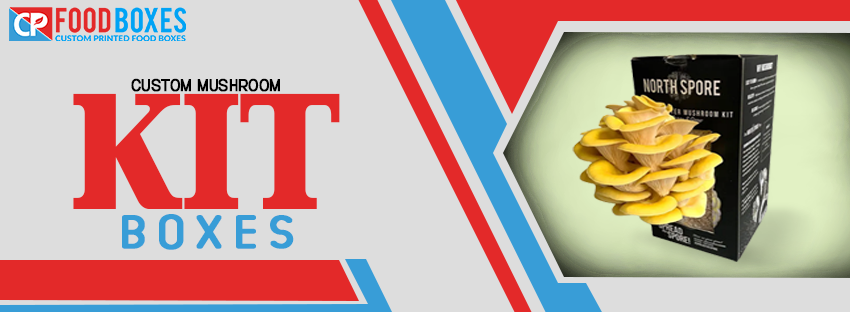
The need for eco-friendly options has never been greater in today’s world. The mushroom kit industry is no different, with companies now looking to package their products more sustainably. In this blog post, we will explore why eco-friendly packaging is necessary for mushroom kits and how it can benefit both the environment and businesses. We will explore eco-friendly packaging options such as biodegradable, compostable, and recycled materials. Additionally, we will provide tips on designing effective yet environmentally friendly packaging that can attract conscious consumers. We will also look at notable brands that have already embraced sustainability in their packaging and what challenges they faced in implementing these changes. Lastly, we will discuss future trends in eco-friendly mushroom kit packaging and how it can revolutionize the industry while reducing environmental footprints.
Understanding the Need for Eco-Friendly Packaging in Mushroom Kits
Sustainable packaging reduces environmental impact, aligns with consumer values, promotes a positive brand image, supports a circular economy, and leads to cost savings.
The Impact of Traditional Packaging on the Environment
Conventional packaging contributes to plastic pollution, ends up in landfills, requires excessive energy to produce, leaches harmful chemicals into soil and water, and contributes to greenhouse gas emissions.
Why Mushroom Kits Need Sustainable Packaging
Mushroom kits prioritize sustainability, reflecting the eco-conscious values of enthusiasts. The use of environmentally friendly packaging maintains mushroom quality. It compliments the organic nature of cultivation, showcasing a commitment to a greener future.
Exploring Various Eco-Friendly Packaging Options for Mushroom Kits
Biodegradable and compostable materials offer natural decomposition while using recycled materials reduces resource demand. Sustainable packaging incorporates innovative designs to prioritize waste and pollution reduction.
Biodegradable Packaging Materials
Biodegradable packaging materials naturally break down, leaving no harmful residues. Commonly made from organic fibers like bamboo or cornstarch, they minimize environmental impact and can be composted to enrich soil, demonstrating a commitment to a greener future.
Compostable Packaging Options
Compostable packaging offers the benefits of being broken down into nutrient-rich compost, reducing waste, and supporting sustainable waste management practices. By diverting organic waste from landfills, it promotes a circular economy.
Recycled Materials for Packaging
Using recycled materials in packaging reduces demand for virgin resources, diverts plastic waste from landfills, conserves energy and natural resources, supports the recycling industry, and shows commitment to a closed-loop system.
How to Design an Effective Eco-Friendly Mushroom Kit Packaging
To design an effective eco-friendly mushroom kit packaging, consider optimizing space and reducing waste through the size and shape of the packaging. Choose colors that convey sustainability and eco-friendliness. Ensure functionality and ease of use, incorporate clear instructions, and utilize minimalistic designs to improve aesthetics.
Importance of Size and Shape in Sustainable Packaging
Compact packaging reduces material usage and transportation emissions, while customized shapes enhance the user experience. Proper sizing and shaping optimize resource utilization, supporting eco-friendly practices.
Choosing the Right Colors for Eco-Friendly Packaging
In the realm of eco-friendly packaging, the right colors are crucial. Earth tones and green hues evoke environmental friendliness, while natural colors reflect the organic nature of mushroom cultivation. To reduce environmental impact, avoid excessive printing and dyes. Opt for soy or vegetable-based inks that align with sustainability values and brand identity.
Tips for Making Packaging Attractive yet Environmentally Friendly
When designing packaging for mushroom kits, consider using biodegradable or compostable materials. Opt for recycled or upcycled options and choose minimalist designs. Use natural dyes and non-toxic printing processes, and create reusable or multi-functional packaging.
Benefits of Using Eco-Friendly Mushroom Kit Packaging
Using eco-friendly mushroom kit packaging offers numerous benefits. It reduces waste, attracts environmentally conscious consumers, lowers costs, and includes options like biodegradable and recycled materials. Making this switch is a simple step towards sustainability.
Reducing Environmental Footprint
Opt for eco-friendly materials like recycled or biodegradable paper to reduce environmental impact. Minimize packaging size and weight to reduce waste and emissions. Choose reusable or repurposable options and explore innovative alternatives like mushroom-based or plant-based packaging. Educate consumers on the benefits of eco-friendly packaging.
Enhancing Brand Image
Highlight the use of sustainable packaging in marketing and branding materials; share success stories and customer reviews that commend the brand’s eco-efforts. Collaborate with influential organizations, communicate values, and engage in environmental conservation initiatives.
Attracting Environment-Conscious Consumers
Conduct market research to identify their preferences and values to attract environment-conscious consumers. Position your brand as a leader in eco-friendly packaging within the mushroom kit industry. Leverage social media platforms to showcase your commitment to sustainability. Offer incentives like discounts or free shipping to customers who choose eco-friendly packaging. Collaborate with environmental organizations or participate in sustainability-focused events.
Notable Brands Using Eco-Friendly Mushroom Kit Packaging
Embracing sustainability in packaging, Brand 1 sets a great example. Meanwhile, Brand 2 pioneers eco-friendly packaging, making waves in the industry.
Brand 1: Embracing Sustainability in Packaging
Brand 1 exemplifies its commitment to sustainability by prioritizing eco-friendly materials and designs for its mushroom kit packaging. They actively reduce their environmental footprint and have received customer commendations. Additionally, their packaging is compatible with all major web browsers, ensuring a seamless online shopping experience. Use of eco-friendly packaging aligns with customer privacy preferences.
Brand 2: Pioneering Eco-Friendly Packaging in the Industry
Brand 2 has revolutionized the industry using sustainable materials and eye-catching packaging design. Their user-friendly website and partnerships with privacy-focused advertising organizations align with global trends.
Overcoming Challenges in Implementing Eco-Friendly Mushroom Kit Packaging
To ensure financial feasibility, address cost factors. Collaborate with sustainable packaging suppliers. Educate consumers about eco-friendly benefits. Stay updated on green packaging advancements. Streamline the transition with efficient internal processes.
Cost Factors
When implementing eco-friendly packaging, consider upfront costs. Evaluate long-term savings from reduced waste and emissions. Explore partnerships, bulk purchasing, and calculate ROI. Communicate the cost benefits to stakeholders and investors.
Durability Concerns
Sustainable mushroom kit packaging should be durable enough to withstand handling and shipping, protecting the kits during transportation and storage. Sturdy materials ensure longevity and reduce the need for replacements throughout the product lifecycle.
Availability of Sustainable Materials
Regarding mushroom kit packaging, a wide range of sustainable materials are available. These include biodegradable plastics, compostable materials, recycled materials, and innovative options like bamboo, sugarcane bagasse, and mushroom-based materials.
Future Trends in Eco-Friendly Mushroom Kit Packaging
The mushroom kit industry embraces sustainable packaging solutions driven by increasing consumer demand. Companies are exploring innovative designs that prioritize sustainability while collaborating with manufacturers to develop unique eco-friendly options. Biodegradable and compostable materials will become more prevalent in the future.
How can Eco-Friendly Packaging Innovations Transform the Mushroom Kit Industry?
Eco-friendly packaging innovations have the potential to revolutionize the mushroom kit industry. Sustainable packaging can bring about positive change by reducing the environmental footprint, enhancing brand image, and attracting environmentally conscious consumers. Embracing eco-friendly packaging can set mushroom kit brands apart in a competitive market and contribute to a more sustainable future.
Conclusion
To ensure a sustainable future, it is essential to prioritize eco-friendly packaging options for mushroom kits. Traditional packaging methods have a significant impact on the environment. Still, we can reduce our environmental footprint by opting for biodegradable, compostable, and recycled materials. Designing attractive and environmentally friendly packaging is crucial, as it helps enhance brand image and attract environment-conscious consumers. Several notable brands have already embraced sustainability in their packaging, setting an example for others in the industry. While there may be challenges in implementing eco-friendly packaging, such as cost factors and durability concerns, the availability of sustainable materials is increasing. As we move forward, innovations in eco-friendly packaging have the potential to transform the mushroom kit industry, making it more sustainable and environmentally responsible. Let’s step towards a greener future by embracing eco-friendly mushroom kit packaging options.